Cryptographic Gateways Reshaping Ascent Paths from Reel-Based Incentives to Hybrid Live Experiences in Smartphone Membership Systems
Written by Iris Peters · Jul 14, 2026

Cryptographic Gateways Reshaping Ascent Paths from Reel-Based Incentives to Hybrid Live Experiences in Smartphone Membership Systems
Smartphone membership systems in casino platforms have incorporated cryptographic gateways that handle encrypted transaction flows while players move between reel-based reward structures and hybrid live dealer formats. These gateways encrypt payment data and membership progression records at each tier advancement point. Data from mobile gaming deployments in 2026 shows increased integration of such gateways across multiple jurisdictions.
Reel-Based Incentives in Early Membership Tiers
Reel-based incentives typically form the entry layer in smartphone casino programs where players accumulate points through automated slot sessions that feed directly into tier calculations. Cryptographic gateways process these point accruals by securing deposit confirmations and bonus allocations before they register on membership ledgers. Industry figures from July 2026 indicate that platforms using these gateways recorded faster verification times for initial tier climbs compared with earlier non-encrypted systems.
Operators have observed that reel incentives rely on sequential data packets which gateways authenticate through multi-layer encryption protocols. This process prevents unauthorized alterations to player progress records while maintaining compatibility with existing slot mechanics. Research compiled by the University of Nevada, Las Vegas Center for Gaming Research highlights how such authentication layers support consistent tracking across large user bases.
Transition Mechanisms Toward Hybrid Live Experiences
Hybrid live experiences combine automated reel sessions with real-time dealer interactions within single membership accounts. Cryptographic gateways facilitate this shift by routing funds and status updates between slot modules and live table interfaces without exposing sensitive session data. In July 2026 platform updates several operators activated gateway features that allow players to carry accrued reel points into live dealer rooms while preserving encryption throughout the handoff.
These gateways employ tokenization techniques that convert membership credits into secure digital tokens usable across both formats. Observers note that this token approach reduces latency during format switches because verification occurs at the gateway level rather than through separate backend checks. Reports from Singapore's Casino Regulatory Authority document similar token systems deployed in regional mobile offerings during the same period.
Gateway Architecture and Security Protocols
Cryptographic gateways consist of hardware security modules paired with software-defined encryption standards that comply with regional data protection requirements. Each gateway instance validates incoming transactions from smartphone applications before forwarding cleared data to central membership databases. This architecture supports simultaneous handling of reel spin results and live bet settlements within unified player profiles.
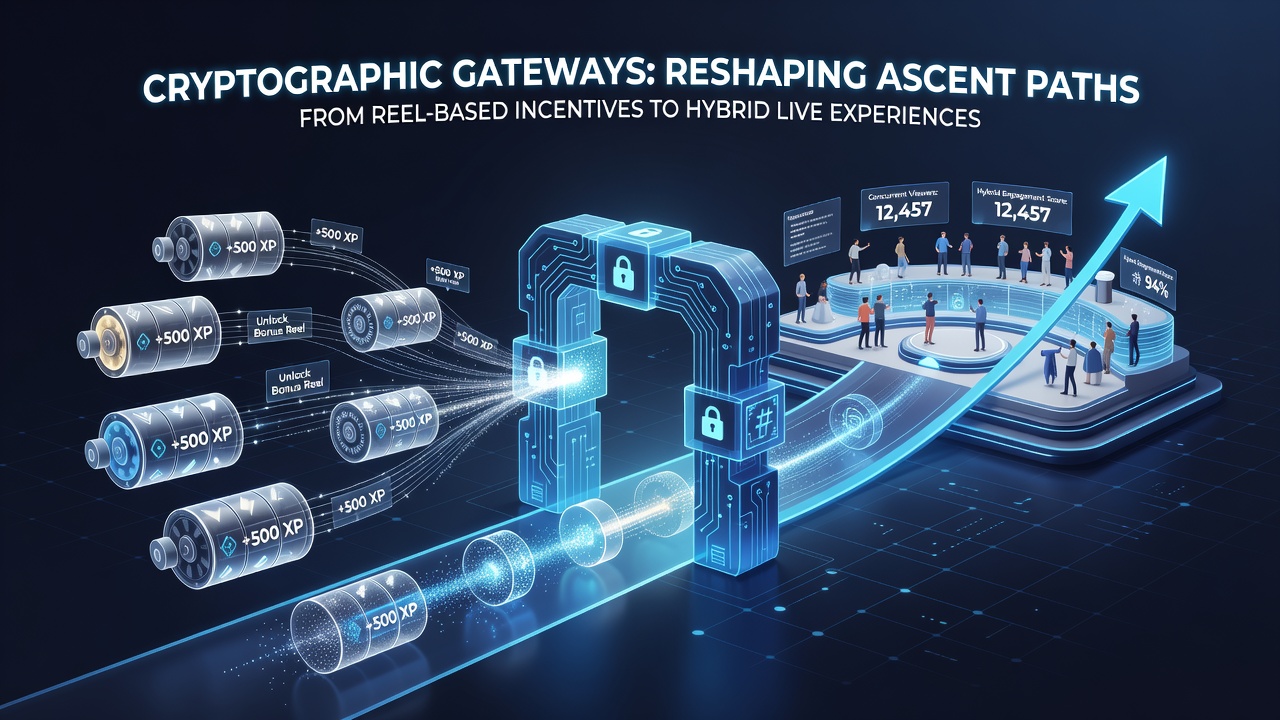
Protocols within these gateways include end-to-end encryption for all membership ladder movements. When players advance from reel-centric tiers to hybrid levels the gateways log each step with timestamped cryptographic signatures. Such logging practices align with standards referenced in reports issued by the Canadian Gaming Association for cross-platform gaming environments.
Effects on Smartphone Membership Progression
Smartphone membership systems now register tier ascents more rapidly when cryptographic gateways manage the underlying data flows. Players who begin with reel incentives can access hybrid live privileges once encrypted point thresholds are met. July 2026 statistics from multiple operators showed elevated completion rates for hybrid tier requirements among accounts protected by gateway technology.
Integration points allow gateways to interface with both slot servers and live streaming infrastructure while maintaining separate encryption channels for each. This separation supports regulatory audits that require distinct records for automated versus interactive play segments. Those who've examined platform logs note clearer audit trails resulting from gateway-mediated transactions.
Implementation Patterns Across Regions
Regional operators have adopted cryptographic gateways at different rates depending on local licensing conditions. In markets where mobile hybrid play expanded during 2026 the gateways enabled seamless point portability between reel and live modules. External analyses from the Asia Pacific Association of Gaming Regulators describe how these systems accommodate varying tax and reporting obligations without disrupting user progression paths.
Developers continue refining gateway interfaces to handle increased transaction volumes during peak hybrid play periods. The refinements focus on maintaining encryption integrity while supporting the volume of membership updates generated by combined reel and live activity.
Conclusion
Cryptographic gateways have become integral components in smartphone casino membership frameworks that bridge reel-based incentives with hybrid live experiences. Their encryption and tokenization capabilities support secure tier advancement across automated and interactive formats. Continued deployment through 2026 reflects ongoing adaptation to regulatory and operational demands in mobile gaming environments.