Currency Routes Connecting Initial Reel Rewards to Advanced Live Table Access in Portable Loyalty Frameworks
Written by Otto Long · Jun 21, 2026
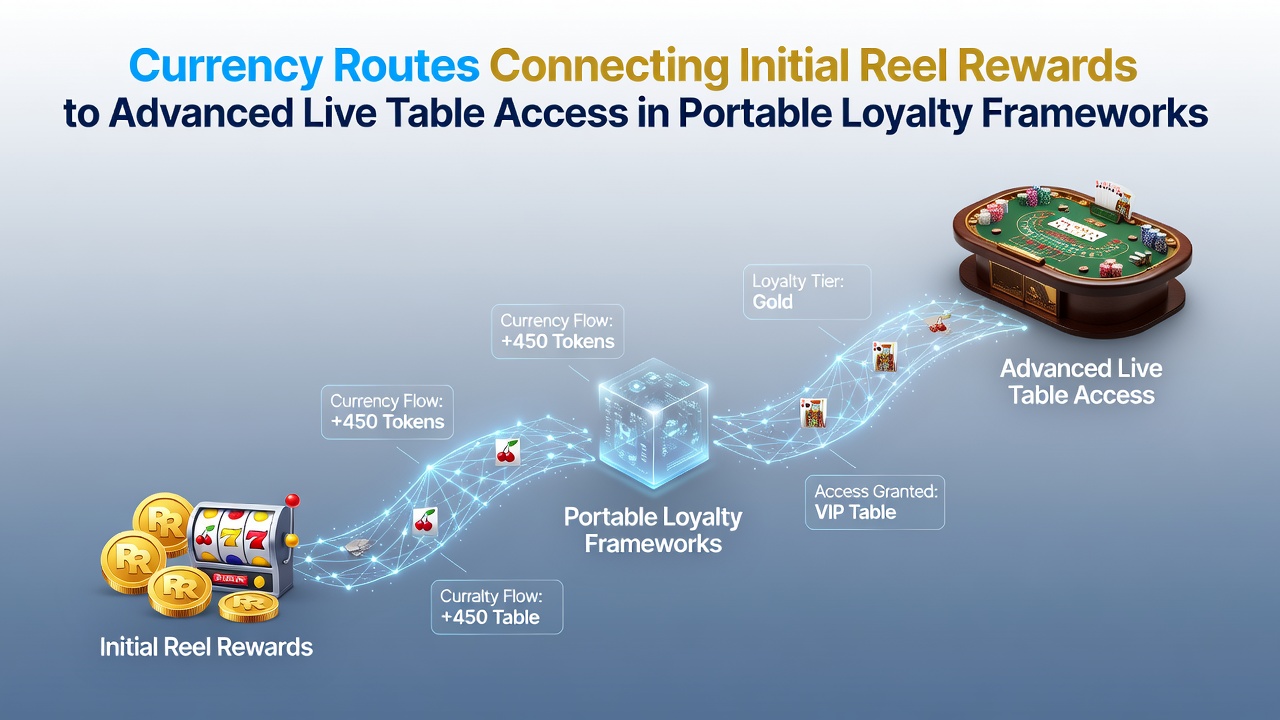
Currency Routes Connecting Initial Reel Rewards to Advanced Live Table Access in Portable Loyalty Frameworks
Data from industry reports indicates that portable loyalty frameworks integrate payment processing systems with tiered reward structures to link initial slot reel bonuses directly to progressive live dealer privileges on mobile devices, and these systems rely on sequential currency routing mechanisms that track player activity across automated and interactive formats.
Payment gateways serve as the primary connectors in this process, where initial deposits trigger reel reward allocations that accumulate points toward higher membership levels, while those same transaction records enable seamless upgrades to live table access once specific thresholds are met, and observers note that this routing occurs through encrypted channels designed to maintain compliance across multiple jurisdictions.
Core Components of Portable Loyalty Systems
Portable loyalty frameworks operate through integrated mobile applications that combine user accounts, transaction histories, and reward ledgers into unified platforms, and these applications utilize real-time data synchronization to update tier statuses immediately after each qualifying transaction completes. Research indicates that such systems often incorporate multiple currency types including fiat deposits, bonus credits, and loyalty points, each following distinct but interconnected routes from entry-level reel activities to advanced live dealer environments.
Initial reel rewards typically originate from welcome bonuses or deposit matches that players activate upon first funding their accounts, and these rewards generate loyalty points based on wager volumes which then feed into tier progression algorithms. The routing continues as accumulated points unlock access codes or credits applicable at live tables, while payment processors handle the underlying fund movements that validate each advancement step.
Transaction Pathways from Slots to Live Tables
Currency movement begins when players complete deposits through supported methods such as e-wallets or bank transfers, and these funds activate reel-based rewards that contribute directly to loyalty meters visible within the mobile interface. Subsequent activity on slots generates additional point values that accumulate toward live table privileges, with systems designed to recognize cross-format participation as a single continuous progression rather than isolated segments.
Studies from gaming associations reveal that successful routing depends on synchronized ledgers where each transaction carries metadata linking the originating reel session to future live table eligibility, and this metadata enables automated verification processes that reduce manual intervention during tier upgrades. What's notable is how these pathways accommodate regional payment preferences while maintaining consistent progression rules across different device types.
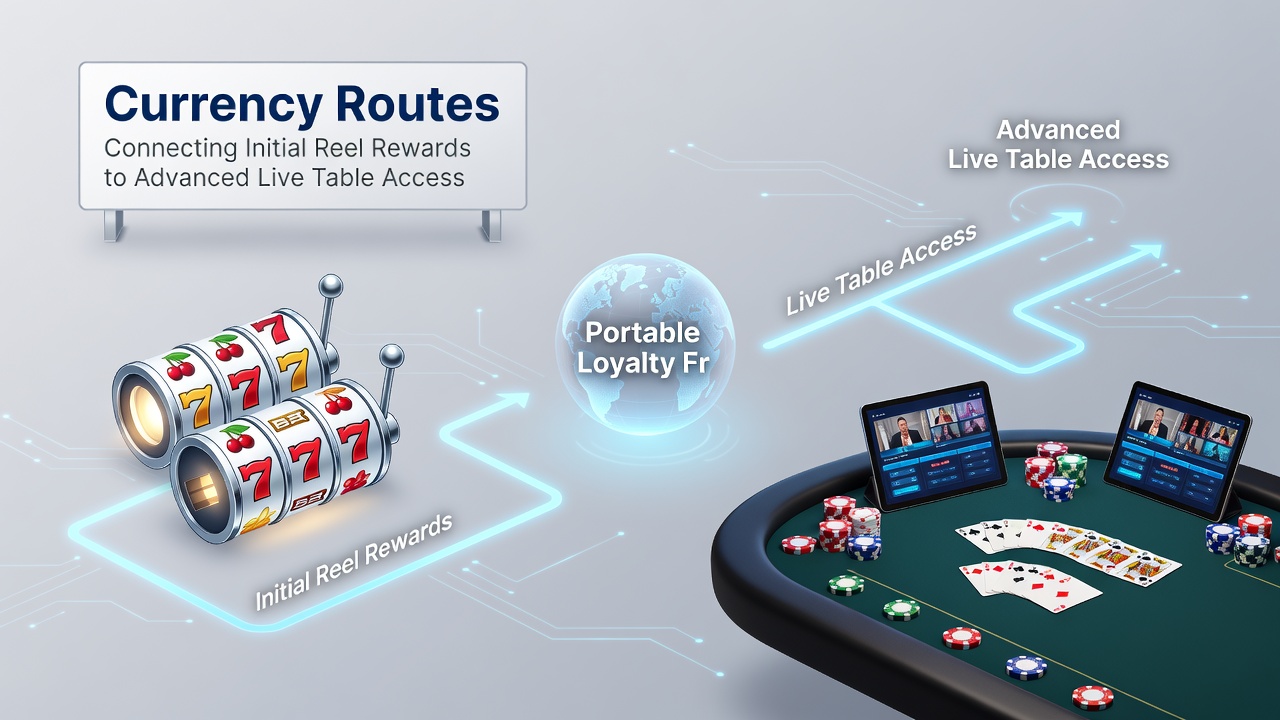
Role of Payment Partners in Tier Advancement
Payment partners facilitate the actual currency transfers that underpin loyalty progression, and they employ verification protocols that confirm fund sources before rewards activate within the framework. According to figures from the American Gaming Association, mobile transaction volumes have increased substantially in recent years, creating more data points for loyalty systems to analyze when determining eligibility for live table access.
These partners also support instant settlement features that allow rewards earned from reels to convert into usable credits at live tables without extended processing delays, and the integration extends to promotional offers where specific deposit routes yield bonus multipliers applicable across both game categories. Observers note that such coordination requires robust API connections between payment processors and casino management software.
Developments Observed Through Mid-2026
By June 2026, several operators had expanded their mobile loyalty frameworks to include enhanced routing options for players transitioning from reel rewards to live dealer sessions, and these updates incorporated additional security layers around currency verification. Data shows that regulatory bodies in various regions continued to monitor these systems for compliance with responsible gaming standards during this period.
Industry reports highlight how portable frameworks adapted to new payment technologies emerging in early 2026, which in turn supported more granular tracking of how initial reel activity influences later live table participation rates. The changes reflect ongoing efforts to streamline progression paths while maintaining accurate record-keeping across all transaction types.
Conclusion
Portable loyalty frameworks establish structured currency routes that connect early reel-based rewards with advanced live table access through systematic payment processing and point tracking mechanisms, and these systems continue to evolve based on transaction data and regulatory requirements. The documented pathways demonstrate how integrated mobile platforms manage progression across game formats while relying on established payment infrastructure for validation and execution.