Intersections of Risk Assessment Tools and Loyalty Ladder Climbs in Multi-Format Digital Gaming Spaces
Written by Iris Peters · Jul 7, 2026
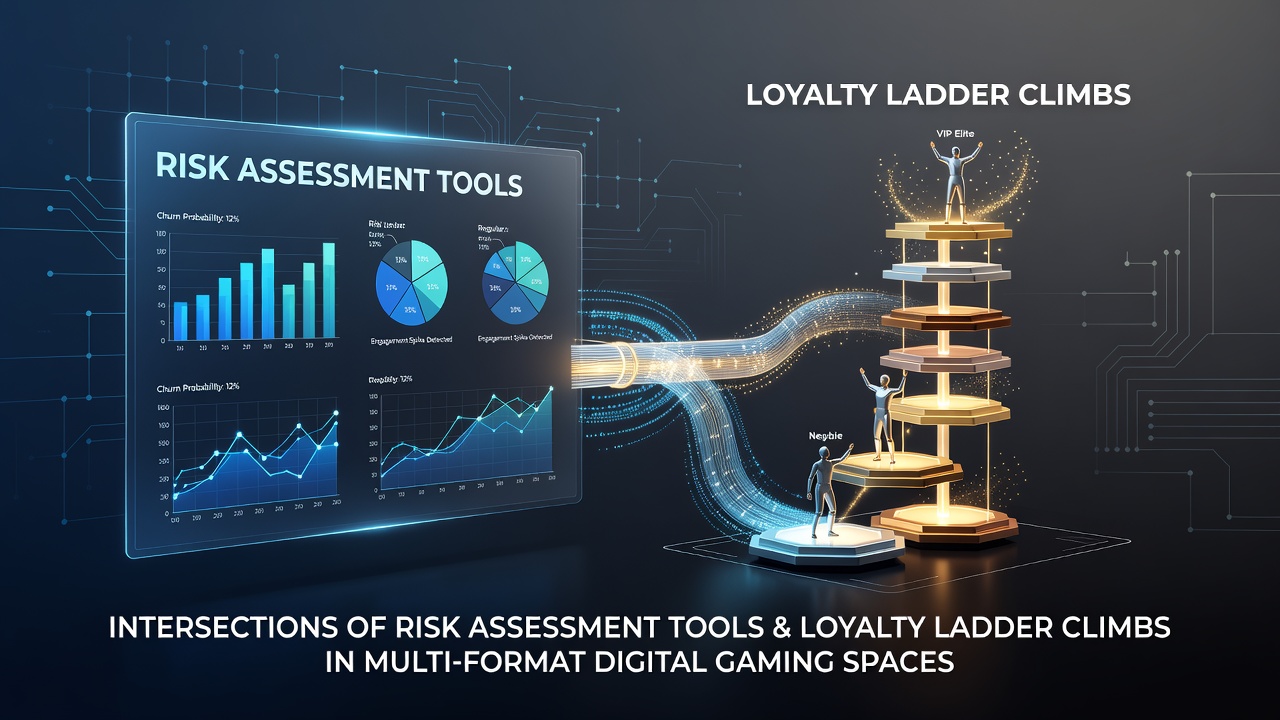
Intersections of Risk Assessment Tools and Loyalty Ladder Climbs in Multi-Format Digital Gaming Spaces
Multi-format digital gaming spaces combine automated slot reels, live dealer tables, and mobile interfaces into single player accounts where loyalty programs track activity through tiered ladders, and risk assessment tools monitor behavioral patterns in real time. These systems operate together because loyalty advancement depends on deposit volume, session frequency, and game variety, while risk tools evaluate the same data streams for signs of excessive play or irregular transactions.
Loyalty Ladders in Integrated Gaming Environments
Operators structure loyalty ladders so players move from entry-level status to higher tiers by accumulating points across slots, live blackjack, and roulette sessions on desktop and mobile apps. Points often derive from wager amounts rather than wins, which creates a direct connection between play volume and tier benefits such as faster withdrawals, exclusive events, and personalized multipliers. Data from platform analytics in July 2026 shows that players reaching mid-tier status typically maintain activity across at least three game formats within a single account, linking slot spins to live dealer participation through shared transaction histories.
Risk Assessment Tools and Their Core Functions
Risk assessment systems employ algorithms that flag account activity based on velocity of deposits, changes in game selection, and time spent on high-volatility titles. These tools draw from regulatory requirements in multiple jurisdictions, including guidelines issued by the Nevada Gaming Control Board and reports compiled by the Australian Institute of Criminology, to identify patterns that may indicate financial distress or policy violations. When thresholds trigger, operators receive alerts that prompt reviews of account status without automatically halting play.
Points of Intersection Between Risk Monitoring and Tier Progression
The same datasets that drive loyalty point calculations also feed risk models, which means a player accumulating points rapidly through large deposits may trigger both tier advancement and behavioral flags at the same time. Operators therefore apply segmented reviews where risk scores adjust reward eligibility rather than block it outright. For example, a mid-tier player who shifts spending from low-volatility slots to high-stakes live tables may receive accelerated points while also entering a monitoring queue that requires additional verification steps before further tier benefits activate.
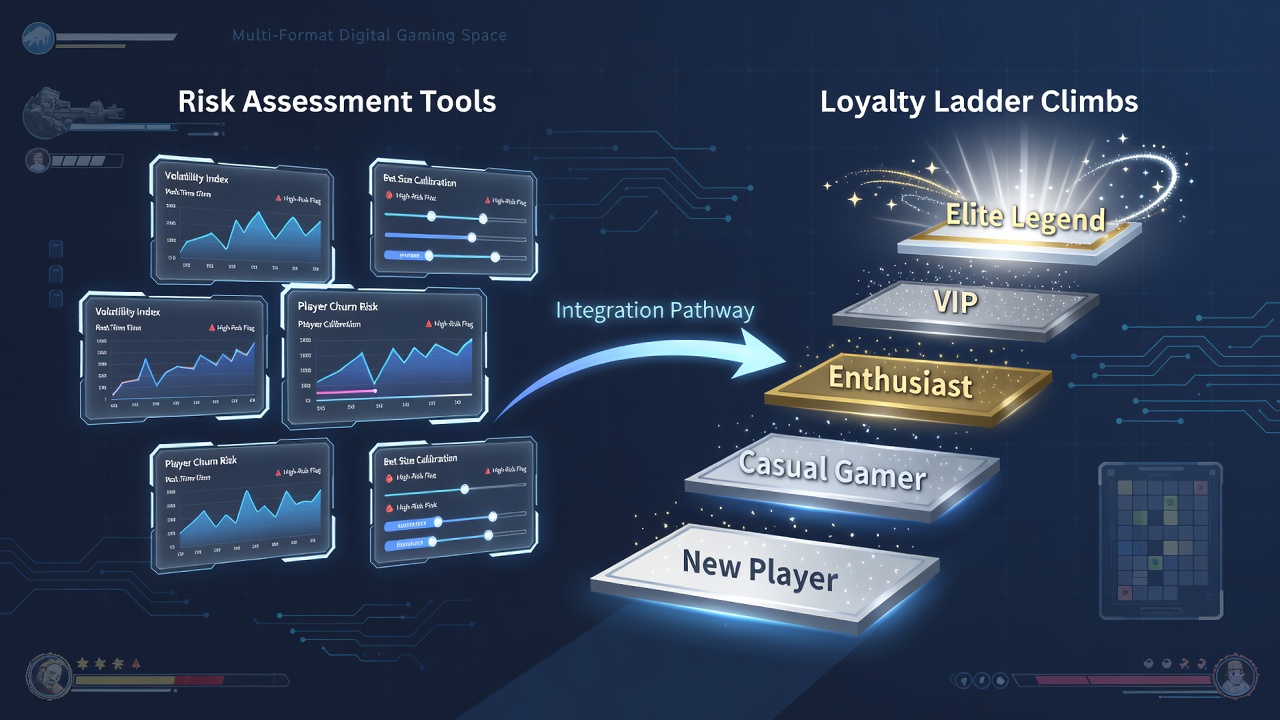
Transaction channels add another layer because deposit methods and withdrawal speeds appear in both loyalty formulas and risk profiles. Platforms that support instant payment gateways record these movements instantly, allowing risk tools to correlate large incoming transfers with subsequent play patterns across automated and interactive formats. Research published by the University of Las Vegas Center for Gaming Research indicates that accounts showing consistent cross-format engagement receive tier upgrades at higher rates when risk scores remain within defined parameters.
Regional Regulatory Influences on System Design
Jurisdictions shape how these intersections function through licensing conditions that require documented use of responsible gambling features alongside loyalty structures. Canadian provincial regulators and the Malta Gaming Authority both mandate that operators log risk interventions separately from loyalty data, yet the underlying player records remain unified. This separation ensures that tier climbs continue on objective play metrics while risk flags receive independent review, preventing direct conflation of the two processes.
Practical Examples from Platform Operations
One documented case involved a mobile-focused operator that adjusted its loyalty algorithm in early 2026 to weight live dealer participation more heavily after internal audits revealed that risk flags occurred less frequently among players balancing slots with table games. Another platform integrated real-time alerts so that players approaching a new tier received a prompt to set session limits before points finalized, illustrating how risk tools can influence the final steps of ladder advancement without altering point calculations themselves.
Technical Integration Across Formats
Backend systems unify data from slot servers, live dealer streams, and mobile APIs into single player profiles that both loyalty engines and risk models query simultaneously. This architecture allows operators to apply consistent rules across formats while still accommodating format-specific variables such as bet size ranges or session duration norms. Updates rolled out in July 2026 by several major providers refined these queries to reduce latency between loyalty point awards and risk score recalculations, resulting in faster but still segmented decision outputs.
Conclusion
Risk assessment tools and loyalty ladder systems share core data inputs yet serve distinct operational goals within multi-format digital gaming spaces. Their intersections appear most clearly in the shared monitoring of deposits, game variety, and session behavior, with operators maintaining separate review streams to satisfy regulatory expectations while supporting continued tier progression. Ongoing refinements in July 2026 and beyond continue to focus on tighter integration of these functions without merging their decision criteria.