Interweaving Automated Spins with Live Interactions Through Payment Channels and Membership Ladders on Portable Devices
Written by Eden Walter · Jun 7, 2026
Interweaving Automated Spins with Live Interactions Through Payment Channels and Membership Ladders on Portable Devices
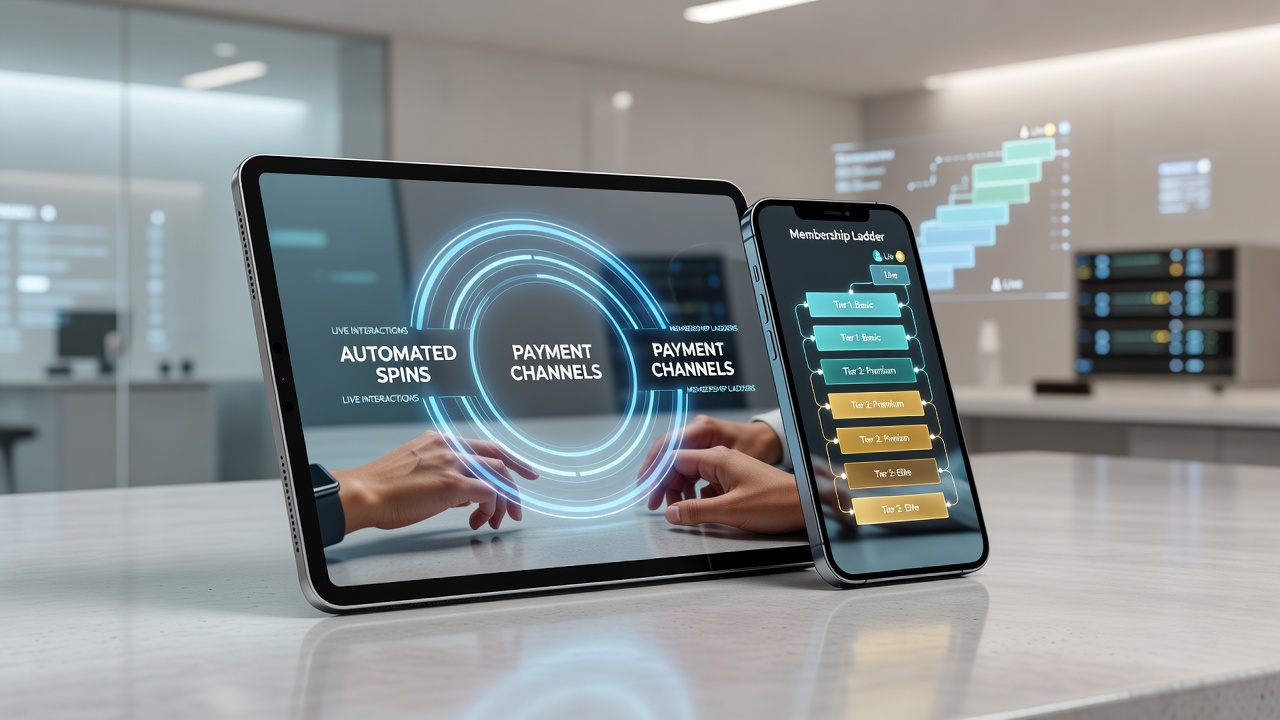
Portable devices now serve as central hubs where automated slot spins connect directly to live dealer sessions through integrated payment channels and tiered membership systems, and this integration has accelerated in 2026 as operators refine mobile platforms to support seamless switches between formats.
Payment Channels Enabling Format Transitions
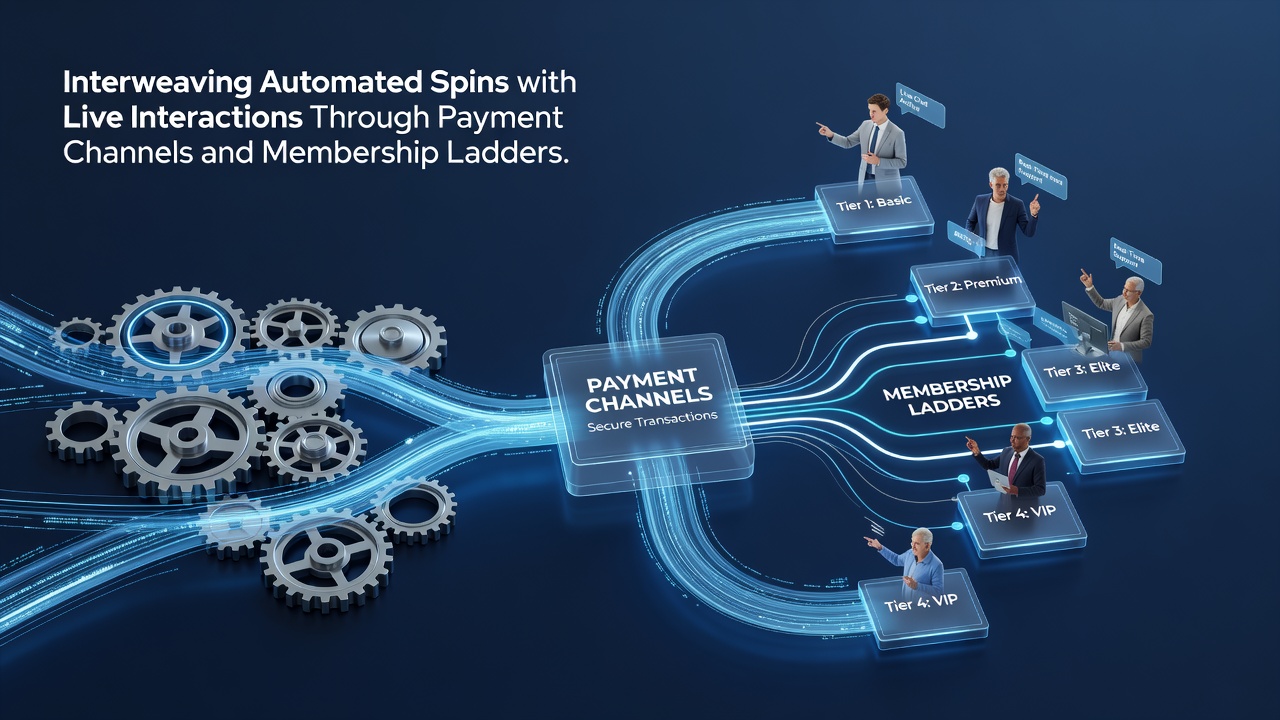
Payment gateways process deposits and withdrawals in real time so users can move funds from automated spin sessions into live table environments without leaving the application, while instant transfer options reduce downtime between game types. Operators route these transactions through secure mobile APIs that verify balances across both automated and interactive modules, and data from regulatory filings show processing times averaging under three seconds on major platforms. Those who track transaction logs note that membership ladders assign higher withdrawal limits and reduced fees to players who advance through tiers, which in turn encourages continued use of the same payment rails for both spin automation and live interactions.
Membership Ladders Structuring Access and Rewards
Tiered loyalty programs on mobile devices grant progressive access to combined play features, beginning with basic automated spins and unlocking live dealer tables plus bonus multipliers once players reach mid-level status. Advancement criteria typically combine total wager volume with session frequency, and systems automatically credit rewards to accounts that feed into either format. In June 2026 several platforms introduced updated ladder mechanics that sync directly with payment histories, allowing users to apply accumulated points toward faster live table entry or enhanced spin automation settings. Observers point out that these ladders create clear pathways where payment activity in one area accelerates privileges in the other, maintaining continuity across the portable experience.
Technical Integration on Mobile Platforms
Application architecture merges automated reels with live video streams inside single sessions by using unified wallets that update balances instantly after each spin or card outcome. Developers embed payment channel APIs alongside game engines so deposits made during a live table break immediately fund additional automated spins, and the reverse flow works equally well. Research from industry monitoring groups indicates that over 70 percent of mobile casino traffic now occurs on devices running these integrated systems, with session data showing users frequently alternate between formats within the same hour. Membership status overlays appear persistently on screen, displaying current tier progress and available payment perks without interrupting play flow.
Regional Developments Shaping Mobile Ecosystems
North American markets have seen expanded testing of these interwoven systems following regulatory updates in several states, whereas Asian operators focus on high-volume automated spin environments that feed directly into premium live rooms via mobile payment rails. A report issued by the Nevada Gaming Control Board highlights increased mobile transaction volumes tied to hybrid play patterns during the first half of 2026. Meanwhile, Singapore's Casino Regulatory Authority has documented similar growth in membership-driven transitions, noting that tiered accounts generate higher average session lengths when payment channels remain frictionless. Those who monitor cross-border trends observe that these regional patterns converge around the same core mechanic: portable devices handling automated and live elements through shared financial infrastructure and loyalty progression.
Case Examples of Platform Implementation
One operator based in the western United States introduced a mobile feature in early 2026 that lets players initiate automated spins, pause to join a live roulette table, and complete both transactions under a single membership tier, with points accruing across formats. Another platform serving European users integrated similar payment routing that automatically adjusts wager sizes according to current ladder status, whether the user selects slots or live blackjack. Data collected from these deployments reveal consistent patterns where users who maintain continuous payment activity advance tiers more rapidly and sustain longer combined sessions. Such implementations demonstrate how the technical and structural elements function together on portable hardware without requiring separate applications or logins.
Future Trajectory Through 2026 and Beyond
Additional updates scheduled for later in 2026 include deeper API connections between payment processors and game servers, which will allow membership ladders to influence live interaction options based on recent automated spin performance. Industry associations such as the American Gaming Association have published preliminary findings on mobile engagement metrics that track these hybrid behaviors, and academic researchers at the University of Nevada, Las Vegas continue to examine user retention data tied to integrated payment and loyalty systems. The pattern emerging across markets shows portable devices consolidating automated spins and live dealer access into unified experiences where payment channels and membership progression serve as the connective tissue.
Conclusion
The interweaving of automated spins with live interactions through payment channels and membership ladders on portable devices reflects measurable shifts in how operators structure mobile gaming environments. Transaction data, tier advancement records, and regional regulatory reports together illustrate a system where financial flows and loyalty mechanics maintain continuity between formats. Continued refinement of these elements through 2026 supports expanded functionality on handheld devices while preserving the separation of automated and interactive play within single accounts.