Linking Secure Transfer Protocols with Reward Escalation Paths Across Slot Sequences and Live Table Engagements in Handheld Platforms
Written by Viktor Washington · Jun 23, 2026
Linking Secure Transfer Protocols with Reward Escalation Paths Across Slot Sequences and Live Table Engagements in Handheld Platforms
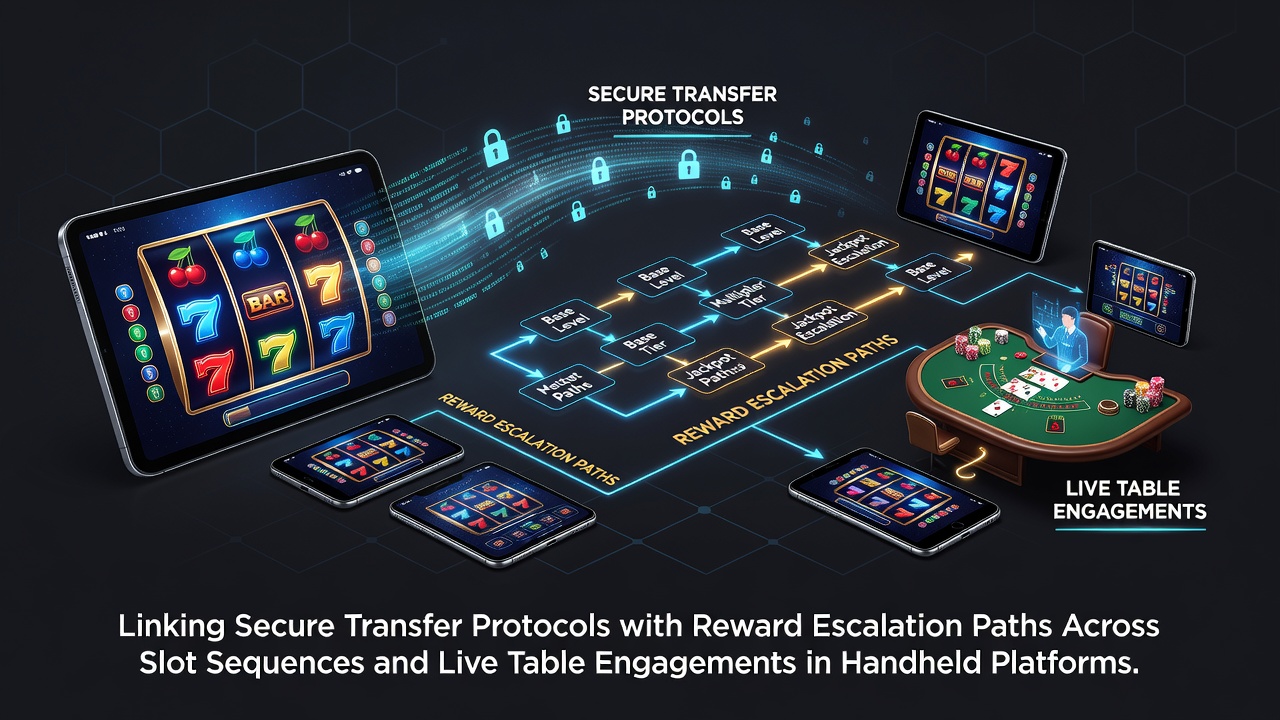
Handheld platforms continue to reshape how players move through casino environments where encrypted payment channels connect directly to progression systems that track activity across automated reel sequences and real-time dealer tables. Secure transfer protocols rely on layered encryption standards and tokenization methods that verify each transaction before data flows into centralized reward ledgers maintained by operators.
These protocols reduce latency during deposit and withdrawal steps while feeding verified activity metrics into escalation frameworks that unlock tiered benefits. Observers note that integration points occur at the moment a transfer completes, when the system records wager amounts, game types, and session durations to calculate advancement toward higher membership levels.
Secure Protocols in Mobile Transaction Flows
Encryption standards such as TLS 1.3 combined with device-specific biometric authentication create barriers against interception during fund movements on smartphones and tablets. Data from regulatory filings shows that platforms adopting multi-factor verification experience fewer reported anomalies in transaction logs compared with earlier implementations that relied solely on password entry.
Tokenization replaces sensitive card details with unique identifiers that persist across sessions, allowing reward engines to attribute play without exposing full financial records. This approach supports continuous tracking as users shift between slot sequences featuring progressive multipliers and live table engagements where dealer interactions generate separate activity signals.
Reward Escalation Mechanisms Across Game Formats
Escalation paths operate through tier structures that accumulate points from both automated spins and interactive dealer rounds, with thresholds defined by operators according to jurisdictional requirements. Points generated during slot sequences often carry different weighting than those earned at live tables, reflecting variations in house edge and session pacing that reports from the Alcohol and Gaming Commission of Ontario have documented in annual compliance reviews.
Users advance when cumulative verified activity meets predefined criteria, triggering access to enhanced payout percentages, exclusive tournament entries, and personalized live dealer options. The connection between secure transfers and these paths becomes evident when a completed deposit immediately updates the visible progress bar within the handheld interface, confirming that funds have entered the ecosystem and begun contributing to tier calculations.
Integration Points During June 2026 Platform Updates
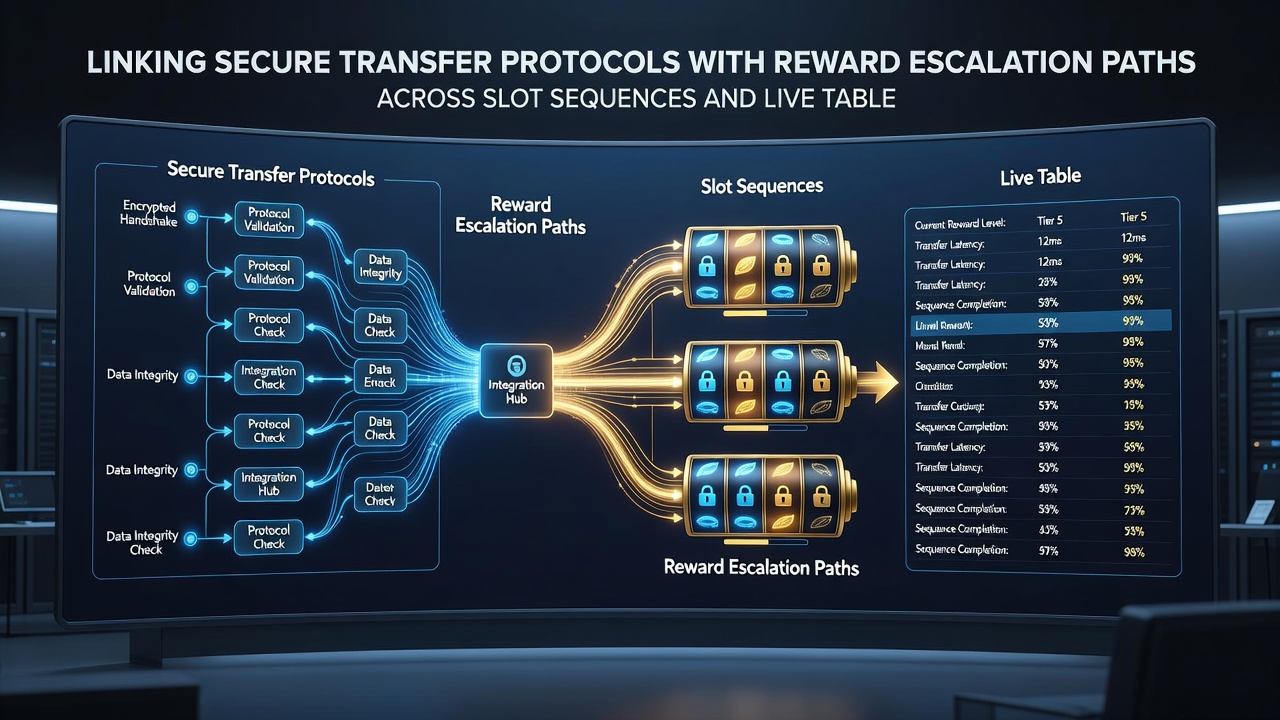
Platform releases scheduled around June 2026 introduced unified dashboards that display both slot sequence history and live table participation within a single view, synchronized through secure transfer logs. These updates allow players to monitor how each verified payment influences overall progression, with visual indicators updating in real time as new wagers register across formats.
Operators have aligned these features with standards outlined in reports from the Nevada Gaming Control Board, ensuring that escalation algorithms remain auditable while maintaining separation between payment processing and game outcome determination. The result appears in reduced discrepancies between reported play activity and reward allocations, particularly when users alternate rapidly between automated and interactive sessions on the same device.
Cross-Format Tracking and Security Alignment
Cross-format tracking requires that reward engines reconcile data streams from distinct game servers while relying on the same encrypted transfer backbone for funding verification. When a player completes a deposit via a tokenized method, the protocol assigns a session identifier that persists through both slot sequences and subsequent live table engagements, creating an unbroken chain that supports accurate point assignment.
Industry analyses from the Victorian Commission for Gambling and Liquor Regulation indicate that platforms maintaining such continuity report higher retention rates among users who engage multiple game categories within single sessions. The linkage proves especially relevant on handheld devices where screen real estate limits simultaneous display of separate progress meters, forcing designers to consolidate information into unified escalation displays fed directly by verified transaction records.
Conclusion
Secure transfer protocols and reward escalation paths intersect at multiple stages of handheld casino use, from initial deposit verification through ongoing activity attribution across slot sequences and live table formats. Continued alignment between encryption standards and progression algorithms supports transparent tracking that meets requirements set by oversight bodies in multiple regions. As platform capabilities expand, the technical connections between payment security and tier advancement remain central to how activity registers and benefits distribute on mobile devices.