Navigating Encrypted Transfer Options to Accelerate Advancement in Automated and Interactive Casino Features
Written by Iris Long · May 31, 2026
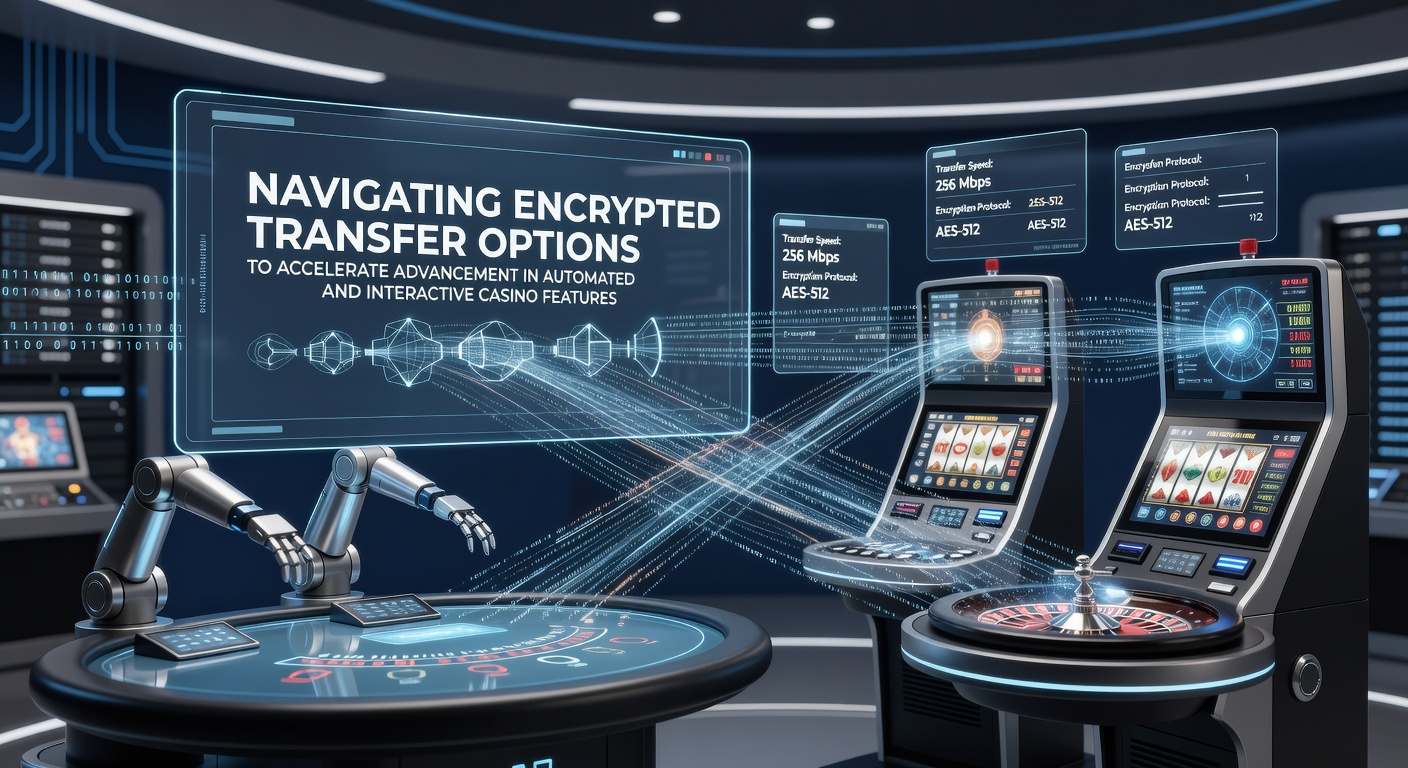
Navigating Encrypted Transfer Options to Accelerate Advancement in Automated and Interactive Casino Features
Encrypted transfer options have become central to the evolution of casino operations, enabling faster processing for both automated systems and interactive live environments where timing and security intersect directly with player engagement. These methods rely on advanced protocols that protect data during movement between accounts, platforms, and regulatory databases, allowing operators to expand features without compromising compliance standards across multiple jurisdictions.
Encryption Standards Supporting Automated Casino Systems
Automated features such as slot tournaments, random number generator games, and bonus allocation engines depend on reliable transaction channels that complete within seconds rather than minutes. Research from the Canadian Gaming Association indicates that platforms using end-to-end encryption for deposits and withdrawals see reduced latency in reward distribution, which in turn supports continuous play cycles. Data shows these systems handle thousands of simultaneous entries during peak periods while maintaining audit trails required by oversight bodies.
Operators integrate technologies including transport layer security and blockchain-based verification to confirm transfers before game logic activates. In automated environments this means multipliers apply instantly once funds clear, eliminating delays that previously interrupted session flow. Figures from industry reports reveal adoption rates increased notably between 2024 and 2025, coinciding with hardware upgrades in data centers serving major gaming networks.
Interactive Features and Real-Time Payment Integration
Live dealer tables and interactive chat-based games require payment methods capable of handling micro-transactions during ongoing rounds. Encrypted options allow players to top up balances or claim table-specific bonuses without leaving the interface, a development tracked closely by regulators in regions including Australia and several EU member states. Observers note that secure gateways reduce friction points where players once switched applications mid-session.
Platforms combine these transfers with biometric authentication layers to verify identity in under two seconds, supporting seamless progression from automated slot play into live dealer formats. According to a study published by the University of Nevada's gaming research center, encrypted channels correlate with higher retention metrics in hybrid environments because players encounter fewer interruptions when moving between game types.
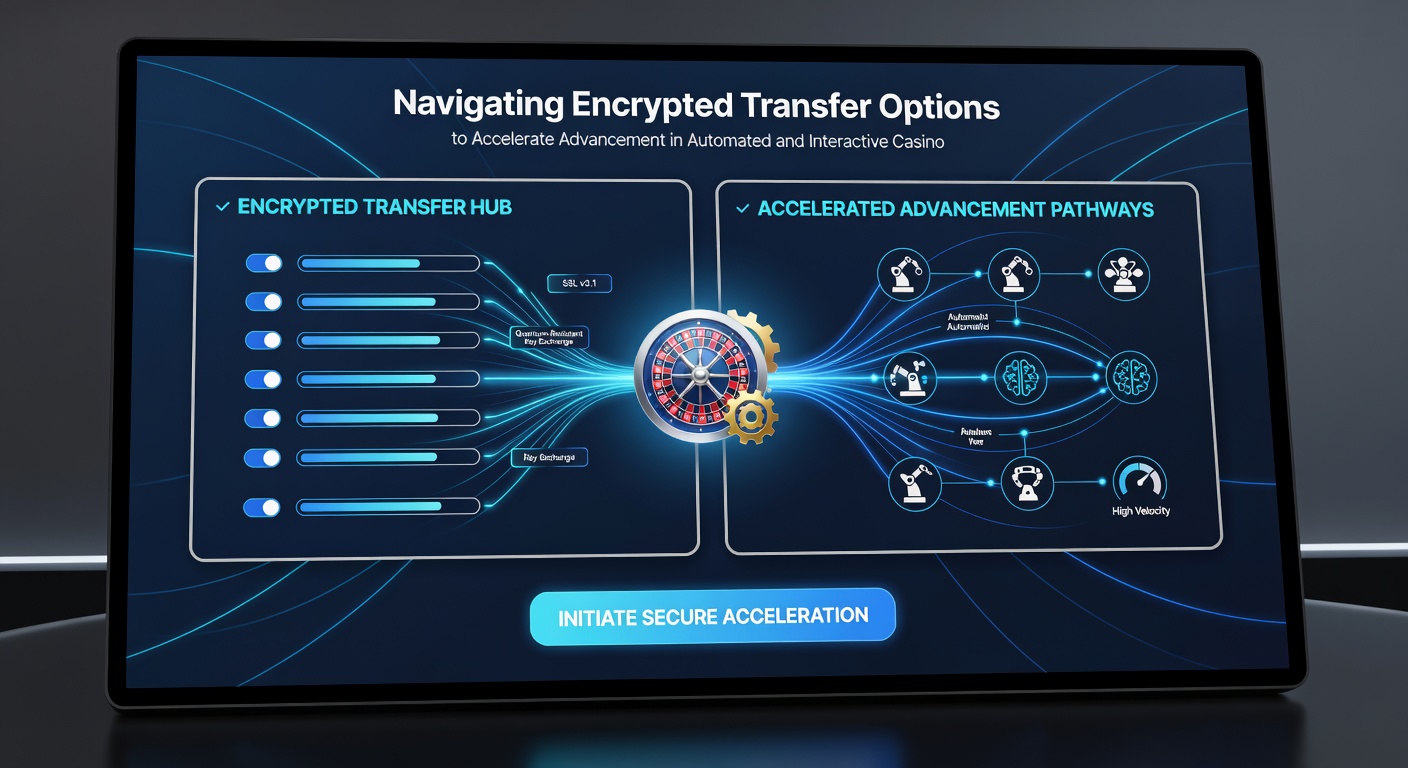
Regulatory Developments Shaping Adoption in 2026
By May 2026 several oversight agencies had issued updated guidelines on encryption requirements for digital transfers within gaming ecosystems. These updates emphasize key management practices and incident reporting timelines, prompting operators to audit existing systems and adopt newer standards that align with both automated scaling and interactive responsiveness. Jurisdictions in North America and Asia-Pacific have coordinated efforts to recognize compatible protocols, reducing the need for multiple regional implementations.
Operators report that compliance with these refreshed rules accelerates feature rollouts because secure transfer frameworks already satisfy audit criteria for new automated tournaments or interactive promotions. The alignment between payment security and game advancement creates pathways for rapid testing of features such as AI-assisted dealer interactions funded through instant encrypted deposits.
Technical Pathways for Implementation
Developers select from a range of encryption approaches including symmetric key systems for high-volume automated processing and asymmetric methods for interactive verification steps. Hybrid models combine both to balance speed with verification depth, allowing casino software to route transactions through the most efficient channel based on game type. Case examples from integrated platforms show that this routing logic cuts average confirmation times by measurable margins while preserving full encryption coverage.
Partnerships with payment processors specializing in gaming verticals further streamline these pathways. Processors supply APIs that embed encryption at the protocol level, enabling direct connectivity between player wallets and casino ledgers. Those implementations support the shift toward fully automated bonus hunts and live session entries without manual intervention at any stage.
Conclusion
Encrypted transfer options continue to underpin progress in both automated and interactive casino domains by delivering the speed, security, and regulatory alignment required for sustained feature expansion. As technical standards evolve and regional guidelines adapt through 2026, platforms that navigate these options effectively position themselves to deliver more responsive and interconnected gaming experiences across formats.