Pattern Recognition Algorithms Refining Access Sequences Between Automated Reel Formats and Real-Time Table Interactions on Portable Networks
Written by Otto Long · Jun 25, 2026
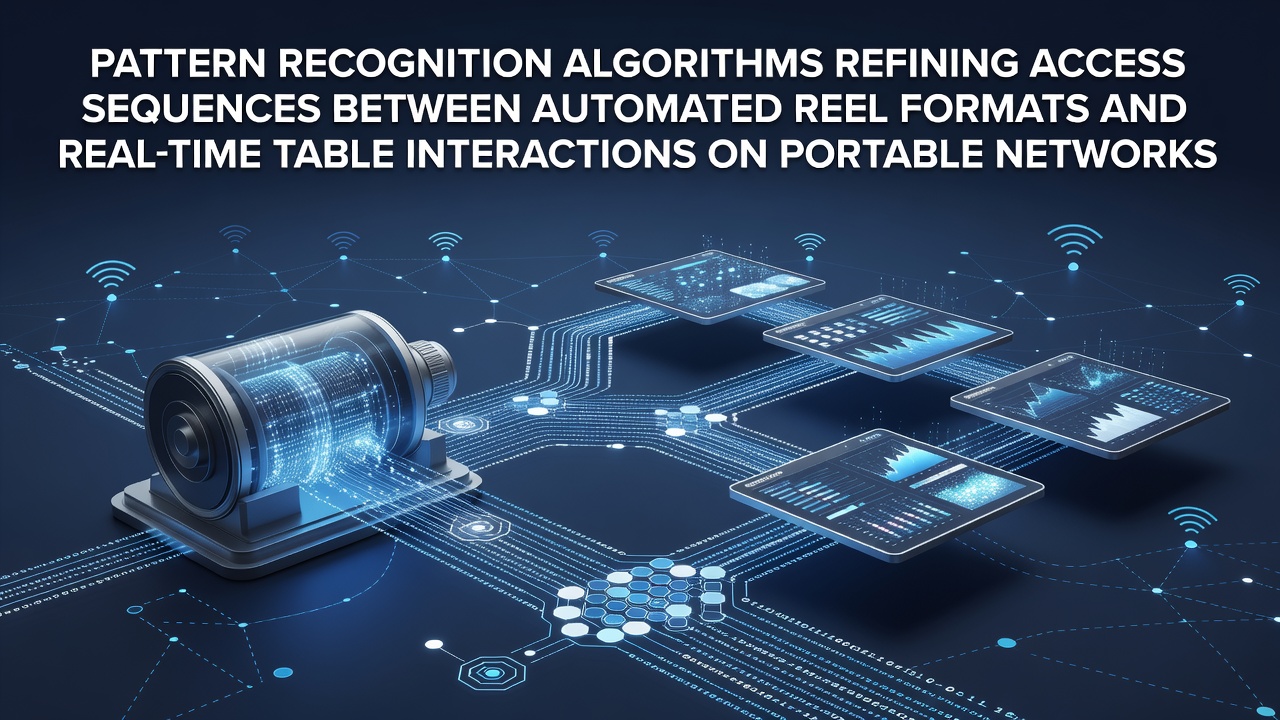
Pattern Recognition Algorithms Refining Access Sequences Between Automated Reel Formats and Real-Time Table Interactions on Portable Networks
Pattern recognition algorithms analyze player interaction data to streamline transitions between automated reel formats and real-time table games across portable networks, and operators have deployed these systems to adjust access sequences based on behavioral signals collected from mobile sessions.
Core Mechanisms in Algorithm Design
These algorithms process sequences of spins, bet sizes, and session durations to identify recurring patterns that indicate when a user might shift from slot play to live dealer tables, while machine learning models update access pathways in response to detected clusters of activity on portable devices. Data from network logs shows that such refinements reduce latency during format switches by prioritizing cached table states for users whose histories match established profiles.
Researchers at academic institutions have documented how supervised learning techniques classify player movements between reel-based automation and interactive dealer environments, and the resulting models adjust interface priorities without requiring explicit user commands on the device.
Application to Automated Reel Formats
Within automated reel systems, pattern recognition tracks reel stop frequencies and bonus trigger rates to predict optimal moments for suggesting live table entry points, and the algorithms refine the sequence of available game tiles on the mobile screen accordingly. Network operators report that these adjustments align with data transmission rates typical of 5G portable connections, which support the rapid loading of table streams once a transition is triggered.
Studies indicate that reel-format algorithms now incorporate time-of-day variables and device location metadata to fine-tune access sequences, allowing smoother handoffs when players move between slot sessions and dealer tables during peak evening hours on portable networks.
Integration with Real-Time Table Interactions
Real-time table platforms receive input from the same pattern recognition layer to prepare dealer assignments and betting interfaces in advance of a player's arrival from reel play, and synchronization protocols ensure that balance transfers and session histories carry over without interruption. Observers note that portable network bandwidth allocation improves when algorithms flag high-probability table transitions, because the system pre-allocates video encoding resources for the anticipated interaction.

Integration layers also monitor chat and gesture data from live tables to update the pattern database, which in turn influences the next recommended reel sequence once a table session concludes, creating a closed feedback loop across both formats on the same portable session.
Network-Level Refinements Observed in 2026
By June 2026, several portable network providers had updated their edge-computing nodes to host lightweight versions of these pattern recognition models, reducing round-trip times for access sequence decisions during cross-format play. Figures from industry deployments reveal that average transition times between reel automation and live tables dropped measurably after these node-level implementations.
Regulatory filings submitted to bodies such as the UNLV Center for Gaming Research document how operators tested these refinements across multiple device types, confirming consistent performance under varying signal conditions. Separate analyses from the Australian Gambling Research Centre further detail the role of device sensor data in refining sequence predictions for players who alternate rapidly between formats.
Security and Compliance Considerations
Encryption standards applied to pattern data streams protect user profiles while the algorithms operate on portable networks, and compliance frameworks require that access sequence modifications remain auditable through logged decision trees. Network architects have incorporated anomaly detection modules that flag irregular pattern shifts potentially linked to device compromise or unauthorized access attempts.
Deployment reports show that operators maintain separate audit trails for reel-format versus table-interaction pattern outputs, allowing regulators to verify that refinements do not alter game outcomes or payout calculations on either side of the transition.
Conclusion
Pattern recognition algorithms continue to shape how access sequences evolve between automated reel formats and real-time table interactions on portable networks, with ongoing updates to model accuracy and network integration. Data collected through mid-2026 indicates sustained adoption of these techniques across multiple jurisdictions and device ecosystems.