Tracing the Links Between Digital Reel Dynamics and Live Table Engagements via Varied Remittance Systems in Compact Device Loyalty Programs
Written by Viktor Washington · Jul 16, 2026
Tracing the Links Between Digital Reel Dynamics and Live Table Engagements via Varied Remittance Systems in Compact Device Loyalty Programs
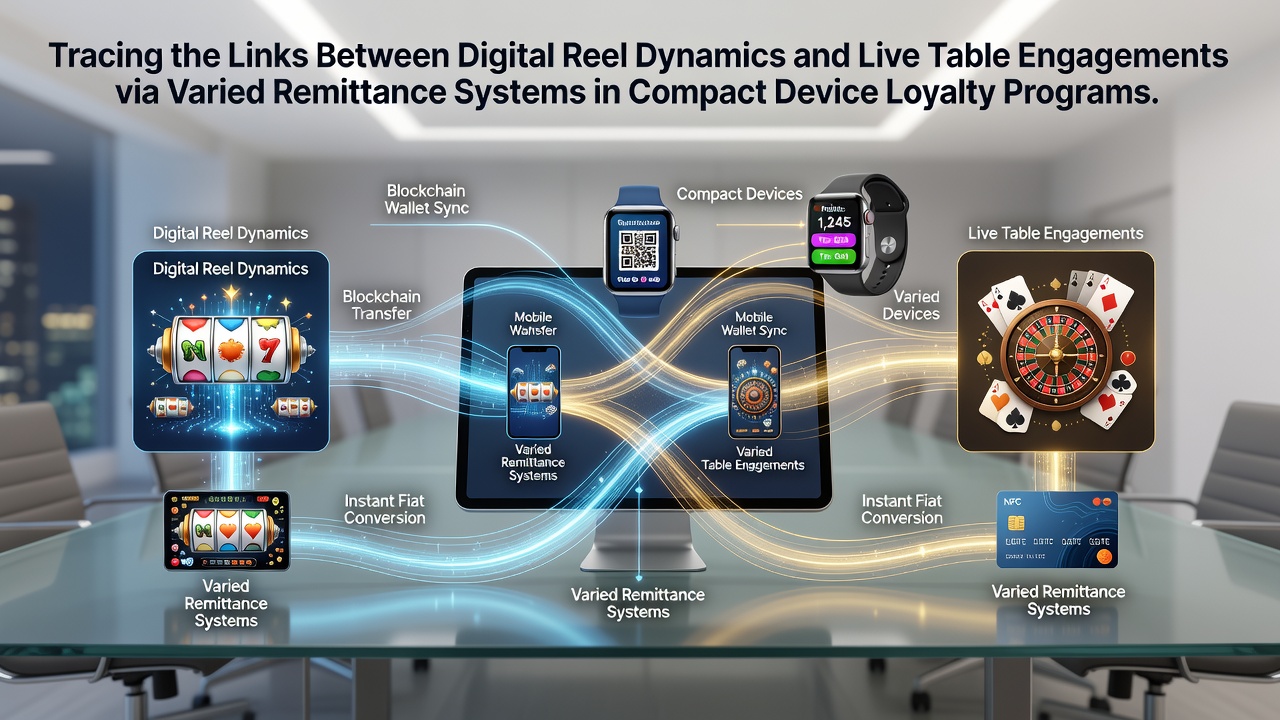
Digital reel mechanics on smartphones have evolved into structured systems where automated spin sequences feed directly into live dealer environments through payment gateways that record every transaction in real time, and loyalty platforms on compact devices now map these movements by assigning tier points based on wager volume and game type transitions. Operators integrate automated reels with interactive tables by routing funds through e-wallets, bank transfers, and cryptocurrency channels that update player profiles instantly, allowing users to shift from slot sessions to live blackjack without resetting their accumulated status.
How Mobile Platforms Connect Reel Activity to Table Play
Compact device applications track reel outcomes through embedded algorithms that log spin frequency and bet sizing, then route those metrics into centralized loyalty databases where live table participation adds separate multipliers. Research from the American Gaming Association shows mobile gambling accounts grew 28 percent year over year through mid-2026, with many operators noting that seamless fund movement between game categories drives longer session lengths. Payment processors embed APIs that convert reel winnings into table buy-ins while preserving loyalty multipliers, and this linkage appears most frequently in programs that reward cross-format activity within a single billing cycle.
Remittance Channels and Their Role in Tier Progression
Varied remittance options including instant bank apps, prepaid vouchers, and digital asset transfers create distinct pathways for advancing through loyalty ladders on portable screens. When a player deposits via one channel and later withdraws winnings from another, the system records both actions as qualifying activity that accelerates progression toward higher tiers offering live table privileges. Data from the Nevada Gaming Control Board indicates that platforms supporting multiple remittance types recorded average loyalty point accrual rates 19 percent higher than single-method systems during the first half of 2026. These differences emerge because certain channels process faster, letting users re-enter live sessions without delay and thereby maintain momentum in their tier advancement.
July 2026 Platform Updates and Integration Patterns
By July 2026 several major operators introduced loyalty modules that automatically convert reel session data into live table entry credits when users select specific payment routes. The process works through synchronized ledgers that flag eligible transitions, then apply bonus multipliers only after the remittance clears on the chosen channel. Observers note that programs requiring at least two distinct payment methods for tier qualification saw increased movement between automated reels and real-time dealer tables, because players experiment with different remittance options to unlock additional benefits. This pattern holds across both regulated U.S. markets and offshore platforms serving international users through compact device applications.
Case Examples of Cross-Format Loyalty Mechanics
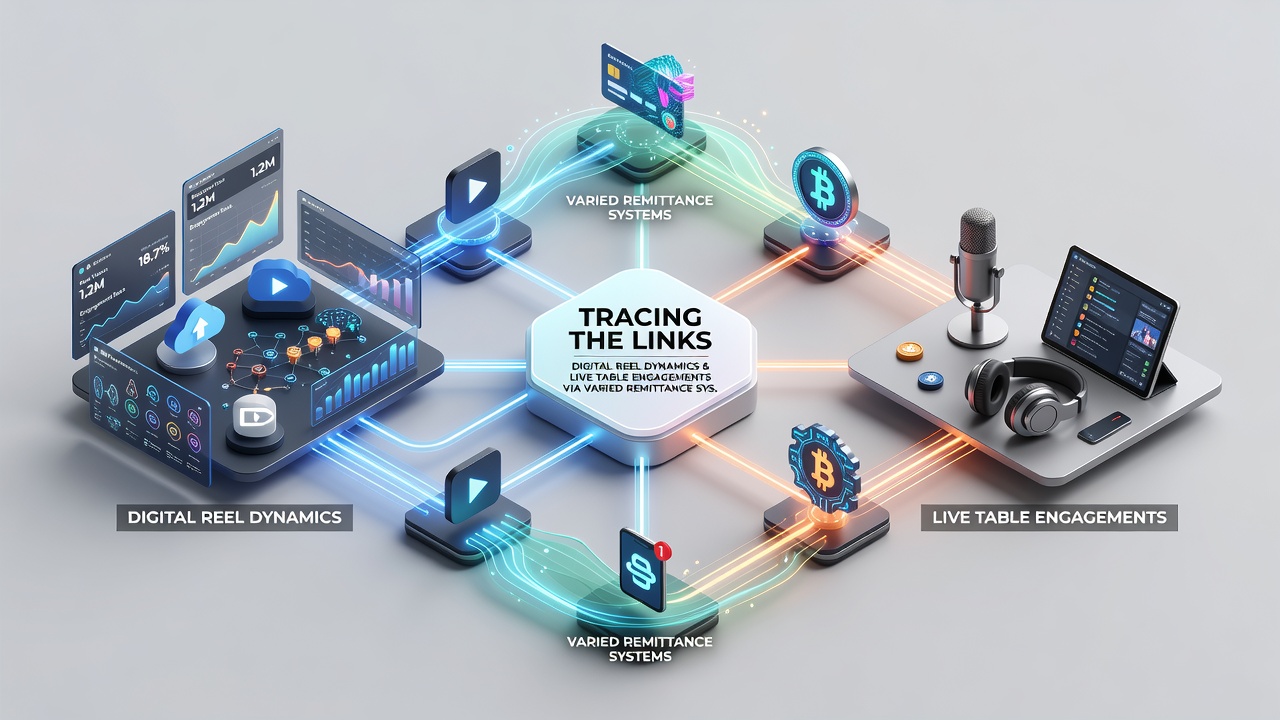
One European operator implemented a system where reel winnings deposited through cryptocurrency wallets automatically generate live table vouchers that expire after 48 hours unless used, and this mechanic increased live dealer participation by routing funds back into the platform rather than external accounts. Another program in the Asia-Pacific region ties bank transfer speed to bonus allocation, granting faster tier climbs to users who complete reel-to-table shifts within the same day. Figures released by the Australian Gambling Research Centre reveal that loyalty programs featuring at least three remittance pathways recorded 34 percent more cross-format sessions than those limited to two methods during comparable quarterly periods. These mechanics operate without altering game rules, instead relying on backend tracking that assigns value to each transition type.
Technical Infrastructure Supporting the Connections
Backend servers maintain separate ledgers for reel metrics and live table results yet merge them through unified player identification tokens embedded in mobile applications. When a remittance arrives, the system checks prior activity across both formats before updating tier status, which prevents isolated play from stalling advancement. Encryption protocols ensure transaction details remain secure during these merges, and operators report reduced support tickets related to missing loyalty points when multiple payment channels operate under the same verification layer. The architecture allows real-time synchronization across devices, so a session started on one phone continues on another while preserving the linkage between reel dynamics and upcoming live table access.
Conclusion
Compact device loyalty programs now function as integrated networks where digital reel activity and live table engagement depend on the speed and variety of remittance systems to determine tier movement. Data from regulatory bodies and research institutions continue to document how these connections shape player behavior across formats without requiring changes to core game mechanics. As operators refine their tracking methods through 2026, the emphasis remains on accurate recording of transitions that occur when users move funds between automated and interactive offerings on portable screens.