Volatility Pathways Steering Multiplier Allocations Across Device-Enabled Reel and Table Hybrids
Written by Iris Peters · Jul 9, 2026
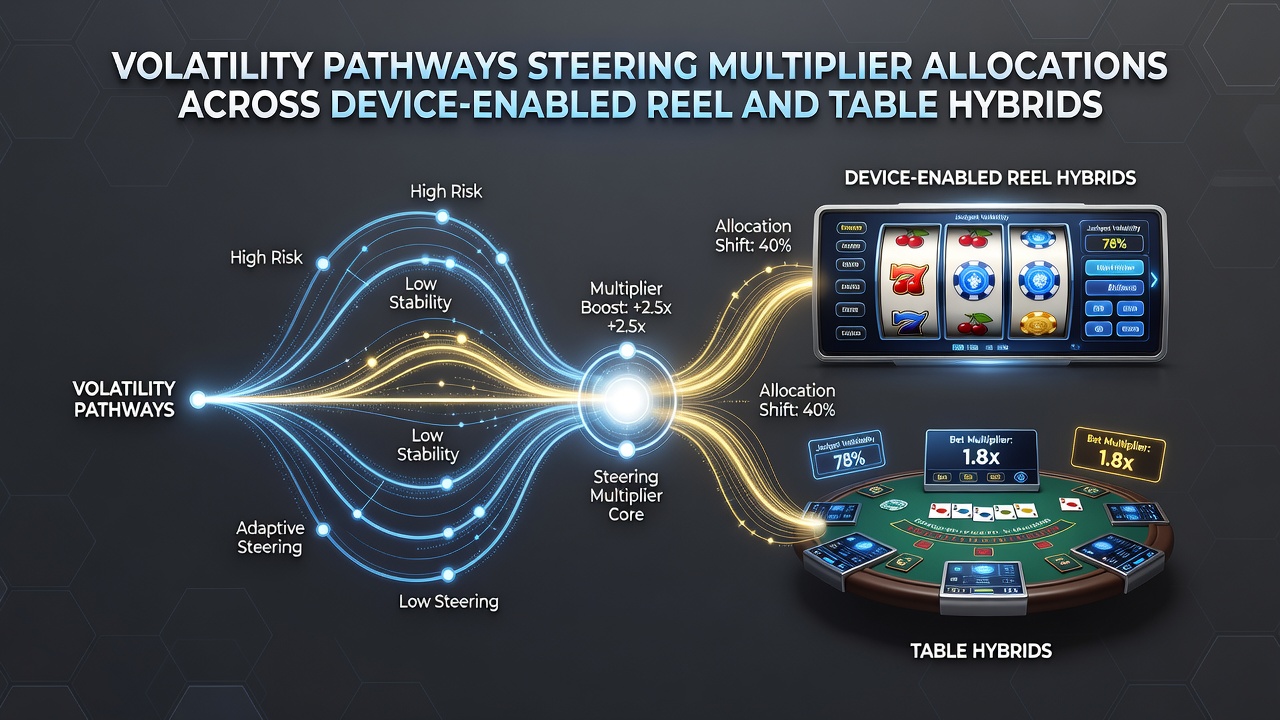
Volatility Pathways Steering Multiplier Allocations Across Device-Enabled Reel and Table Hybrids
Volatility pathways shape how multipliers distribute across reel-based slots and table game hybrids when players access them through mobile and tablet platforms. These pathways determine the frequency and size of multiplier triggers based on game volatility levels, while device compatibility influences how allocations occur in real time. Research from industry monitoring bodies shows that high-volatility reel segments often channel larger multipliers toward table hybrid features when sessions transition between automated spins and live dealer interactions on the same device.
Defining Volatility Pathways in Hybrid Environments
Volatility pathways operate as structured sequences that link base game outcomes to multiplier enhancements in both reel and table formats. In reel games, low-volatility paths produce steady small multipliers that accumulate gradually, whereas high-volatility paths generate infrequent but substantial boosts that carry over when users switch to table hybrids. Device-enabled systems track these pathways through session data, allowing multipliers earned on slots to apply to live table bets without resetting values. Observers note that such mechanisms rely on backend algorithms which adjust allocations according to overall session volatility rather than isolated game types.
Table hybrids incorporate reel elements into live dealer setups, creating crossover points where volatility pathways intersect. A player might begin with high-volatility reel spins on a smartphone before moving to automated table rounds that inherit accumulated multipliers. Data indicates these transitions maintain consistency across operating systems because the pathways remain tied to user accounts instead of specific hardware.
Multiplier Allocation Mechanisms on Portable Devices
Allocation rules adjust multiplier values based on volatility ratings assigned to each game segment. High-volatility reel titles direct larger shares of available multiplier pools toward table hybrid features during cross-play sessions, while lower-volatility options distribute smaller increments more evenly. Platform operators implement these rules through unified ledgers that update in real time as users toggle between formats on mobile interfaces. Figures from regulatory filings reveal that July 2026 reports documented increased cross-format multiplier usage in regions where device penetration exceeds eighty percent of total gaming activity.
Device sensors and connection stability further influence pathway efficiency. Stable mobile networks support uninterrupted multiplier carryover between reel and table modes, yet intermittent connections can pause allocations until sessions resume. Software developers address these variables by embedding fallback protocols that preserve pathway data locally until synchronization occurs.
Regional Patterns and Data Trends
North American markets demonstrate distinct allocation patterns compared with Asian jurisdictions. In the United States, state-level data compiled by the Massachusetts Gaming Commission shows that hybrid titles on tablets receive elevated multiplier flows from high-volatility reel components during peak evening hours. Meanwhile, Singapore's regulatory framework, overseen by the Casino Regulatory Authority, tracks similar shifts in multiplier distribution when players move between mobile reel sessions and live table hybrids. These patterns emerge consistently because volatility pathways prioritize account-level metrics over geographic location.

European operators report parallel developments through aggregated industry statistics. Volatility pathways in these markets steer multipliers toward table hybrids when reel volatility exceeds predefined thresholds, producing measurable increases in cross-format engagement. Academic analyses from institutions studying digital gaming behavior confirm that device screen size correlates with allocation speed, with larger tablets enabling faster pathway transitions than smaller smartphones.
Integration of Payment Channels and Membership Structures
Payment methods interact with volatility pathways when multipliers convert into bonus credits or loyalty points. Instant transfer options accelerate the application of allocated multipliers across reel and table hybrids, reducing latency between earning and redemption phases. Membership ladders further modulate these allocations by granting higher-tier users access to accelerated pathways that favor larger multiplier pools in table hybrid segments. Operators document these effects through transaction logs that separate pathway-driven multipliers from standard promotional awards.
July 2026 platform updates introduced refined tracking for these integrated systems. Updated protocols now log volatility pathway events alongside payment confirmations, creating comprehensive records that support regulatory compliance across multiple jurisdictions. Such records demonstrate how device-enabled hybrids maintain consistent multiplier steering regardless of the funding channel selected by users.
Conclusion
Volatility pathways continue to guide multiplier allocations in device-enabled reel and table hybrids through structured sequences that respond to game volatility and session transitions. Regional data from government agencies and industry reports illustrate measurable patterns in how these allocations occur across mobile platforms. As operators refine integration with payment systems and membership structures, the underlying mechanisms remain focused on account-level continuity rather than isolated game instances. Ongoing monitoring through established regulatory channels provides the factual basis for understanding these dynamics in 2026 and beyond.